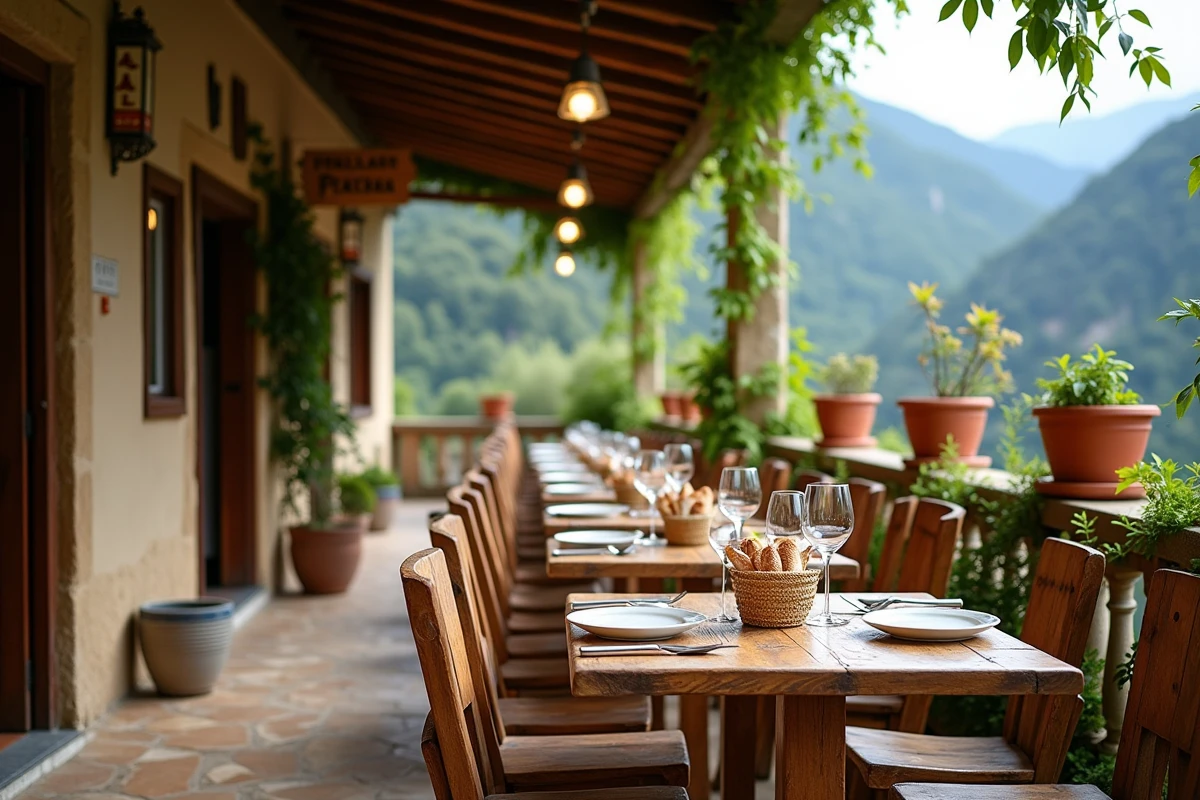
Dancharia is no longer just about sales of alcohol and cigarettes. In recent years, the border area of Dantxarinea has undergone a real gastronomic transformation, driven by establishments that advocate for the short Navarra supply chain and long cooking methods from the Basque tradition. Finding the best restaurant in Dancharia primarily depends on what you are looking for: a matured txuleta served in an eight hundred square meter space, or a more intimate meal in a neighborhood venta.
Meat from the short supply chain and Navarra traceability: the true selection criteria in Dancharia
The recent shift of restaurants in Dancharia towards local sourcing changes the game for the discerning customer. Where ventas historically served generic imported products, several addresses now display the farm origin on their menu.
Zaporeak best illustrates this trend. Its space combines a restaurant, bar, and gourmet shop. The menu offers txuletas of Rubia Gallega, Wagyu, Angus, and Sashi, as well as zikiro, this Sasi Ardi breed sheep cooked on a spit according to the Navarra pastoral method. The customer chooses their piece of meat before cooking, ensuring visual control over the marbling and aging.
This transparency is not trivial. It distinguishes establishments that work directly with Navarra or Labourdin breeders from those that rely on a wholesale supplier. Always check if the menu mentions the breed, geographical origin, and type of aging. A restaurant vague on these three points rarely offers a quality superior to what you would find on the French side.
To find the best restaurant in Dancharia, Spain, this traceability criterion remains the most reliable.
Basque cuisine in Dancharia: txuleta, zikiro, and artisanal boards
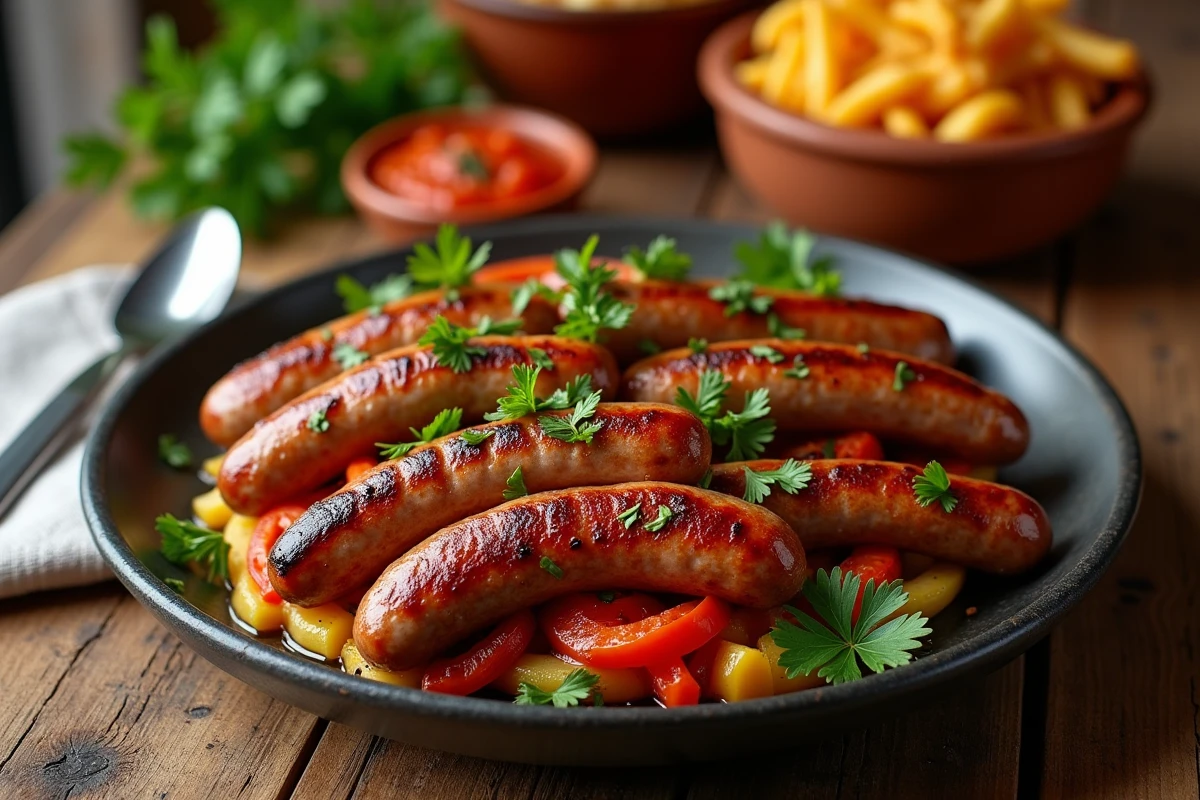
Basque cuisine in Dancharia is based on a triptych: grilled meat, boards of cured meats and farm cheeses, and counter pintxos. Each format corresponds to a different meal moment.
Txuleta and wood-fired grilling
The txuleta remains the signature dish of the area. A thick rib steak, seared at high temperature over embers, served rare with coarse salt and Espelette pepper. Success depends as much on the quality of the cut as on the mastery of the fire. A good indicator: restaurants that allow the customer to see the grill in operation generally master their cooking better than those that cook behind closed doors.
Zikiro and Sasi Ardi lamb
The zikiro is distinguished from standard lamb by its slow cooking on a vertical spit, outdoors. The Sasi Ardi breed, endemic to the Basque mountains, provides firmer and more flavorful meat than standard lamb. This dish is not available everywhere: it requires specific equipment and a long preparation time. Establishments that offer it usually indicate it in advance or by reservation.
Boards and artisanal products
The epicurean boards combine aged ham, Ossau-Iraty or Idiazábal sheep cheese, piquillos, and Cantabrian anchovies. At Zaporeak, the adjoining shop allows you to buy the same products served in the dining room, which is a valuable guarantee of traceability.
Restaurants near Ainhoa and Urdax: expanding the scope from Dancharia
Limiting your search to only the ventas of Dantxarinea would be a mistake. The immediate proximity of villages like Ainhoa (on the French side) and Urdax (on the Spanish side) opens up complementary options that are worth a detour.
- Ur Hegian in Ainhoa, just a few minutes from the ventas, offers Basque cuisine in a hotel-restaurant setting. The establishment has implemented menus adapted to intolerances (gluten-free, lactose-free), which is still rare in the area.
- The cider house Kupela in Urdax offers a different experience: a traditional meal in a unique formula (cod, txuleta, cheese, and walnuts) accompanied by Basque cider poured at txotx. The format is communal and noisy, best reserved for a friendly outing rather than a one-on-one dinner.
- Several ventas in the Landibar neighborhood of Dancharia maintain a more accessible positioning, with quick lunch formulas and takeaway products (alcohol, canned goods, sweets).
The choice between these addresses depends on the time of day. The lunch formulas of classic ventas are suitable for a quick shopping visit. For a more relaxed dinner, French customers are increasingly turning to à la carte restaurants, driven by a search for food-wine pairings and aged meats.
Opening hours and payment: what changes on the Spanish side
The Spanish rhythm shifts everything. Lunch rarely starts before 1:30 PM, and evening service only begins from 8:30 PM. French visitors used to having lunch at noon often find closed doors or a service limited to the bar area.
Regarding payment, almost all establishments in Dancharia accept credit cards, but some older ventas maintain a minimum payment threshold for card transactions. It remains prudent to carry around twenty euros in cash for small counter orders or shop purchases.
One last often-overlooked point: closing days vary from one establishment to another and change with the season. Some addresses close on Tuesday, others on Wednesday. Checking the hours by phone on the same day avoids an unpleasant surprise, especially outside the summer season when service hours are significantly reduced.
Dancharia has gained gastronomic depth without losing its price advantage compared to the French Basque Country. The short Navarra supply chain and the rise in quality of meats create an offering that goes beyond the cliché of the cheap venta. The best meal is prepared before you leave: choose your restaurant based on the provenance of the products, the type of cooking, and the time you plan to sit down.