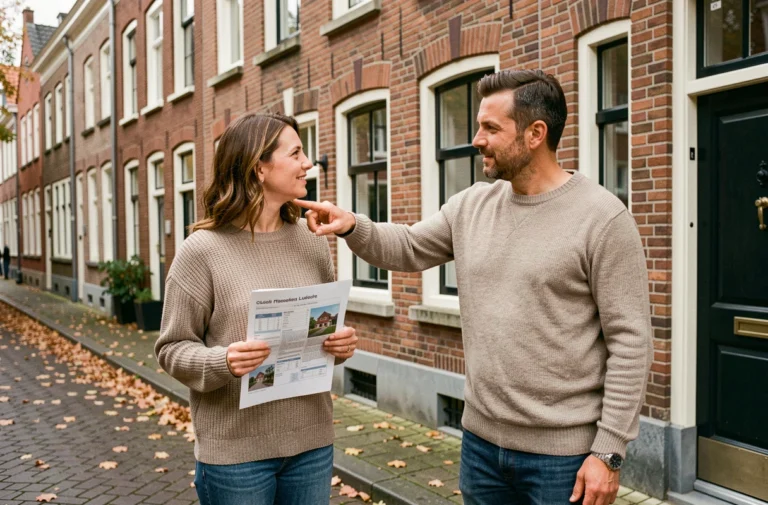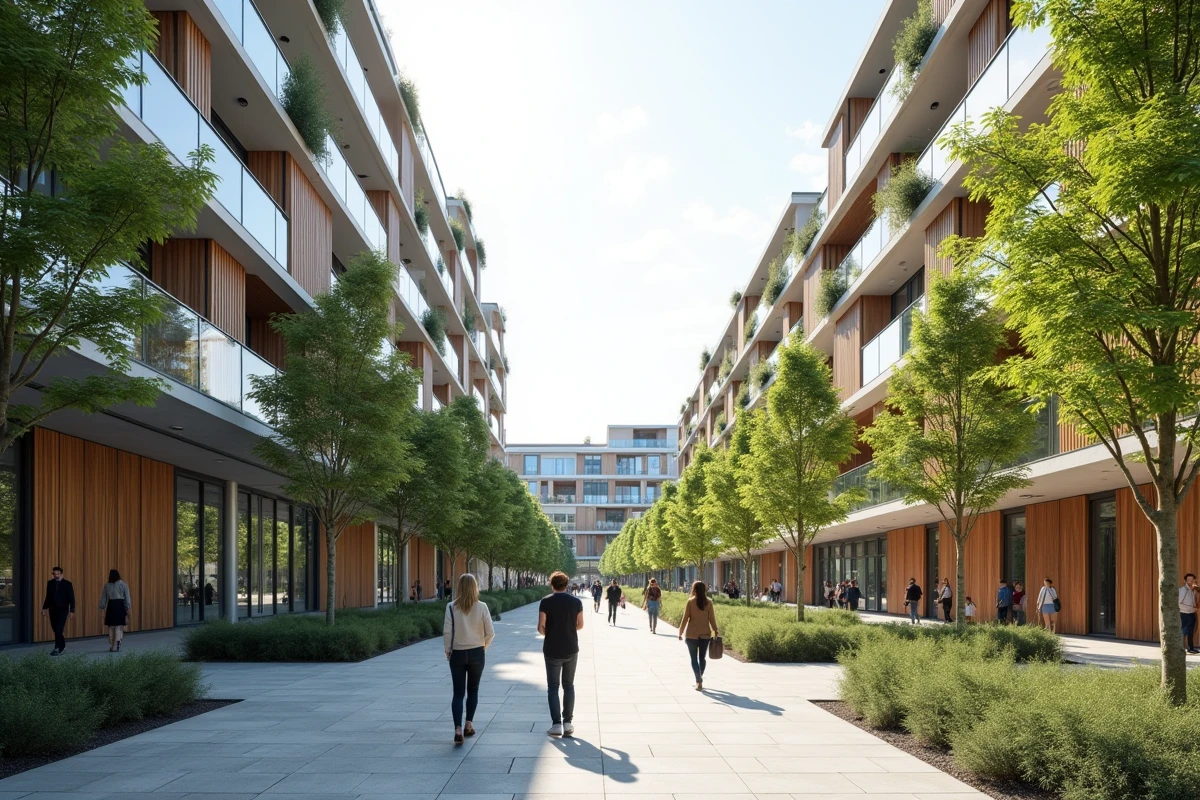
The Paris-Saclay plateau today concentrates a density of mixed real estate projects that distinguishes it from other French technology hubs. With the adoption of the Intercommunal Local Urban Planning Plan (PLUi) in 2024 and the extension of zero-emission zones (ZFE) in 2025, the rules of the game have changed for developers, investors, and companies looking to establish themselves. What types of programs are emerging from these new constraints, and how do they position themselves against traditional offerings in southern Île-de-France?
Hydrological Constraints on the Saclay Plateau and Dense Urbanism
The Saclay plateau has a particularity that most real estate analyses overlook: its hydrological constraints severely limit vertical expansion. Shallow groundwater and historical irrigation ditches impose specific foundations and restrict the height of buildings in several areas.
This geological reality forces a redefinition of dense urbanism models. Rather than stacking floors, recent programs focus on controlled sprawl: mid-rise buildings, green inner courtyards, utilized rooftops. The result is a more horizontal urban fabric than what is observed in other business districts in Île-de-France.
For investors, this constraint has a direct effect on the available land. Buildable plots are becoming scarce, which supports the value of new programs already launched. Smart greenfield projects, designed from the outset to integrate these limitations, have an advantage over traditional operations that need to be rethought mid-course.
By consulting the real estate offerings of Paris Saclay Invest, one can gauge the diversity of typologies proposed in the area, from apartments to activity spaces, tailored to these local specificities.

Mixed Real Estate of Offices and Housing in Paris-Saclay: What Changes with the PLUi 2024
The adoption of the PLUi in 2024 has accelerated a trend already underway: the rise of mixed-use real estate combining offices, housing, and activities. The new rules explicitly favor the diversification of uses within the same block, or even within the same building.
| Criterion | Mixed-use Program (post-PLUi) | Single-use Program (prior) |
|---|---|---|
| Permitted Uses per Parcel | Housing, offices, shops, activities | One dominant use, occasional exceptions |
| Environmental Standards | Mandatory low-carbon construction (ZFE 2025) | RT 2012 or RE 2020 depending on permit date |
| Flexible Spaces (hybrid telework) | Integrated from the design stage | Absent or added during renovation |
| Observed Rental Turnover | Notably decreasing since mid-2025 | Stable or increasing |
| Attractiveness for Tech Talent | Strong (proximity to campus, quality of life) | Variable depending on location |
The most striking point in this table concerns rental turnover. According to a case study published by the Paris Île-de-France Chamber of Commerce and Industry in November 2025, companies located in flexible spaces adapted for hybrid telework have observed a notable decrease in rental turnover since mid-2025. Occupants are staying longer, which secures rental income.
Low-Carbon Constructions and ZFE 2025 Decree
The extension of zero-emission zones across the entire plateau, enacted by the decree n°2025-347 of April 15, 2025, imposes strict standards on new projects. Low-carbon constructions are no longer a marketing argument but a regulatory obligation. This translates into construction cost overruns, partially reflected in the delivery prices of new programs.
On the other hand, these buildings show significantly lower operating costs over the long term. For an investor considering a ten to fifteen-year horizon, the economic balance tips in favor of these new standards.
Paris-Saclay vs. Sophia Antipolis: A Comparative Innovation Dynamics in Real Estate
The comparison with Sophia Antipolis highlights the uniqueness of the Saclay model. Both technology hubs share a vocation for innovation, but their real estate trajectories have diverged sharply since 2024.
- Paris-Saclay concentrates accelerating smart greenfield projects, designed on virgin plots with native integration of environmental and digital constraints. Sophia Antipolis, being more mature, deals more with an existing stock that needs renovation.
- The proximity to RER B and the future service by the Grand Paris Express gives Paris-Saclay a connectivity advantage that the Côte d’Azur technopole cannot replicate in the short term.
- The regulatory framework in Île-de-France (PLUi, ZFE) pushes developers in Paris-Saclay towards higher standards than those applied in Alpes-Maritimes, resulting in a new real estate stock that is generally more homogeneous in quality.
This superior dynamic does not mean that all segments are equal. Small studio apartments intended for students and young researchers remain the most strained segment, with sometimes long delivery times. In contrast, large office spaces are finding tenants more slowly, indicating that demand for traditional offices is declining in favor of hybrid formats.
Neighborhoods and New Programs to Watch on the Saclay Plateau
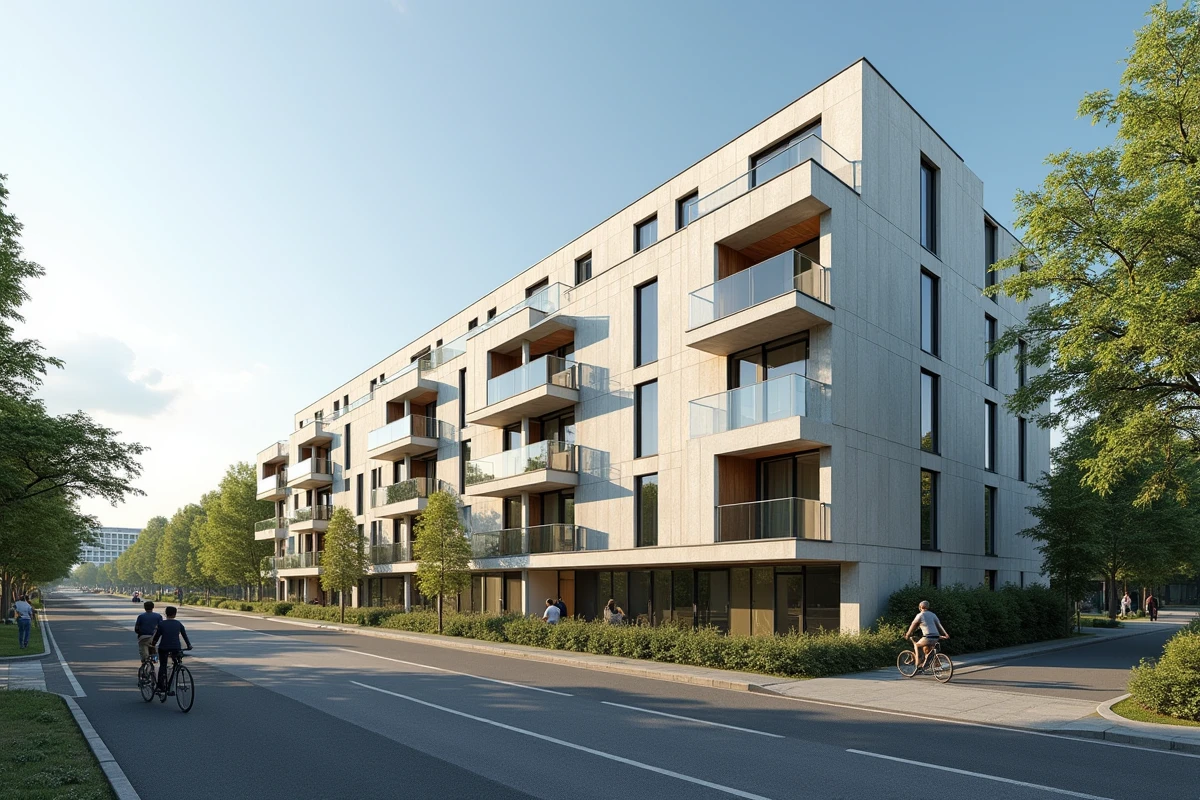
Three sectors concentrate the majority of expected deliveries in the coming quarters. The Moulon neighborhood, adjacent to the university campus, hosts residences that mix family housing and shared accommodations for researchers. The Corbeville sector, on the edge of the valley, is developing grouped houses with private gardens, a rare format on the plateau.
The third hub is located around Massy-Palaiseau, where the proximity to the RER and the future metro line 18 attracts new apartment programs with a strong tertiary component on the ground floor. The programmatic diversity here is the most advanced in the area, with commercial ground floors, flexible office floors, and housing on the upper levels.
Selection Criteria for Rental Investment
The choice of a program in Paris-Saclay is based on a few specific variables:
- The walking distance to an RER station or a stop on the future metro line 18, which directly conditions the rental occupancy rate.
- Compliance with the ZFE 2025 decree, which guarantees the regulatory sustainability of the property over the next decade.
- The presence of shared spaces (coworking, shared meeting rooms) in the residence, a criterion that has become discriminating for tenants practicing hybrid telework.
- The actual delivery timeline, often delayed by several months compared to initial announcements for this type of new-generation project.
The real estate market in Paris-Saclay stands out due to a constraint that becomes an asset: the physical limitations of the plateau and the strengthened regulatory framework filter out low-quality projects. Programs that pass these filters offer a level of design superior to the Île-de-France average, structuring a coherent and readable new stock for both investors and occupants.