The fashion trends of 2026 are characterized by a tension between two opposing logics: on one side, the proliferation of seasonal micro-trends relayed on social media, and on the other, a more stable approach based on combinations of durable pieces. Measuring what truly distinguishes these two approaches allows us to understand which trends are worth adopting to build an original style, and which are merely passing noise.
Seasonal micro-trends vs outfit formulas: what usage shows
The notion of outfit formula is gaining ground in recent clothing advice content. The principle: combine a few strong pieces (a structured jacket, wide jeans, a colorful accessory) rather than chasing every new item.
Meanwhile, micro-trends (butter yellow, barrel jeans, short trench coats) continue to circulate at high speed, driven by the algorithms of visual platforms. The question is not about choosing a side, but about understanding what each approach concretely brings to a wardrobe.
| Criterion | Seasonal micro-trend | Outfit formula |
|---|---|---|
| Average lifespan | One season, sometimes less | Several seasons |
| Cost per wear | High (quickly discarded piece) | Low (regular rotation) |
| Perceived originality | Strong at launch, mundane within weeks | Stable, linked to personal coherence |
| Stylistic risk | High (quickly outdated effect) | Low (proven combinations) |
| Morphological adaptability | Variable depending on the trendy cut | Adjustable to individual preferences |
This table highlights an often underestimated point: sustainable originality relies on coherence, not on novelty. A trendy piece worn by everyone at the same time produces the opposite effect of what is sought.
Style analyses published on the News Quirk site confirm this trend towards more thoughtful wardrobes, where each piece fulfills a specific role in a wardrobe conceived as a system.
Fashion trends 2026: the pieces that structure an original look
Among the directions emerging this season, three categories of pieces deserve particular attention. They stand out for their ability to integrate into varied outfit formulas, without relying on a fleeting fashion effect.
The structured jacket as the pivot of the wardrobe
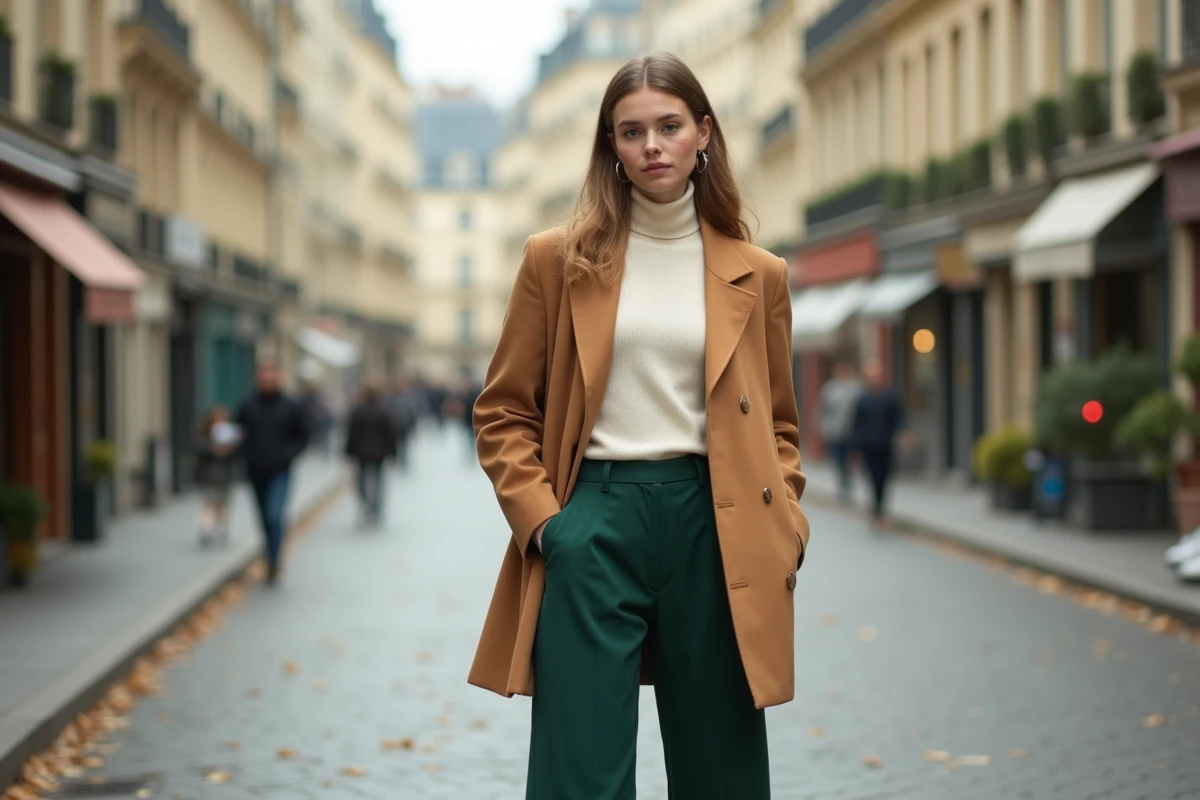
Short blazers, reimagined work jackets, lightweight sahariennes: the structured outerwear piece remains the most effective lever for altering the silhouette of a look. It works well over wide jeans or a flowing dress.
The difference between a mundane look and a constructed look often hinges on this single piece. A well-cut jacket transforms a basic assembly into an intentional outfit.
Bold colors applied in touches
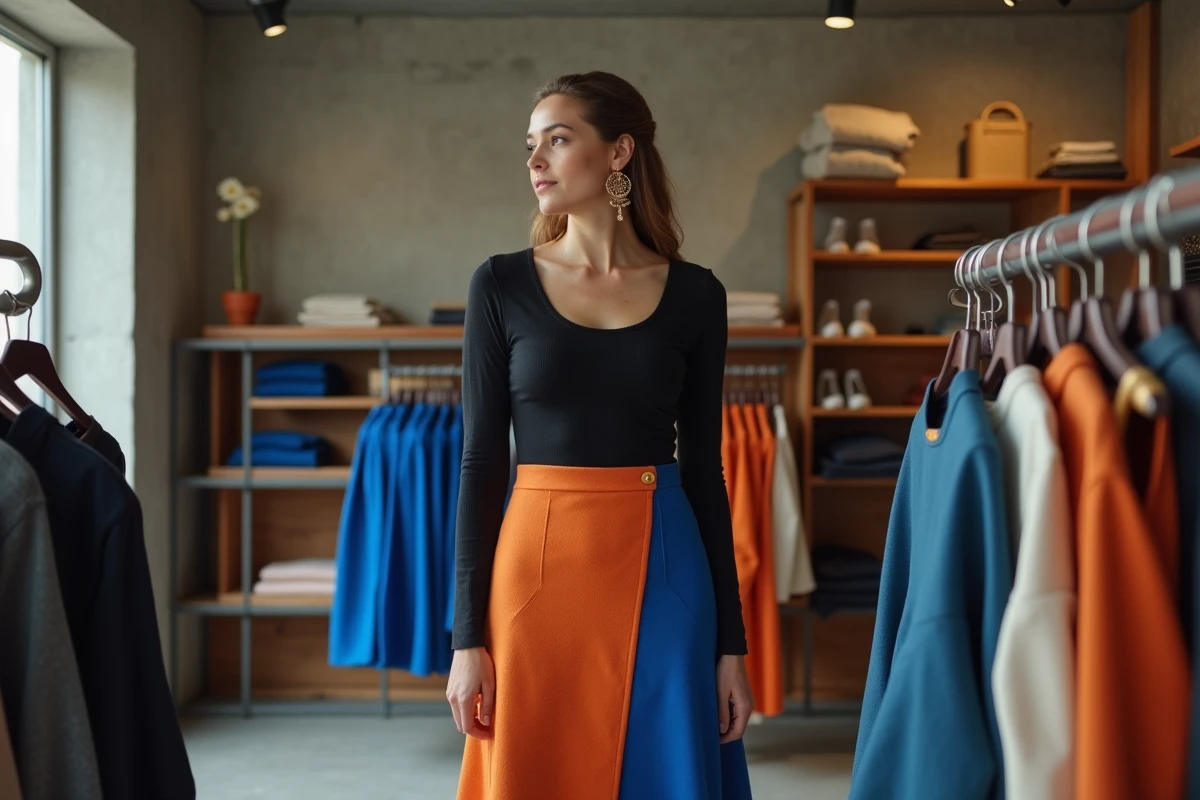
Using a strong color on a single element (bag, shoes, shirt) creates a sharper effect than a total colored look. Saturated hues, prevalent in spring-summer collections, benefit from being isolated rather than stacked.
Butter yellow, for example, works better as a punctuated accessory than worn from head to toe. Originality comes from the contrast with neutral bases, not from accumulation.
Accessories as a repeated signature
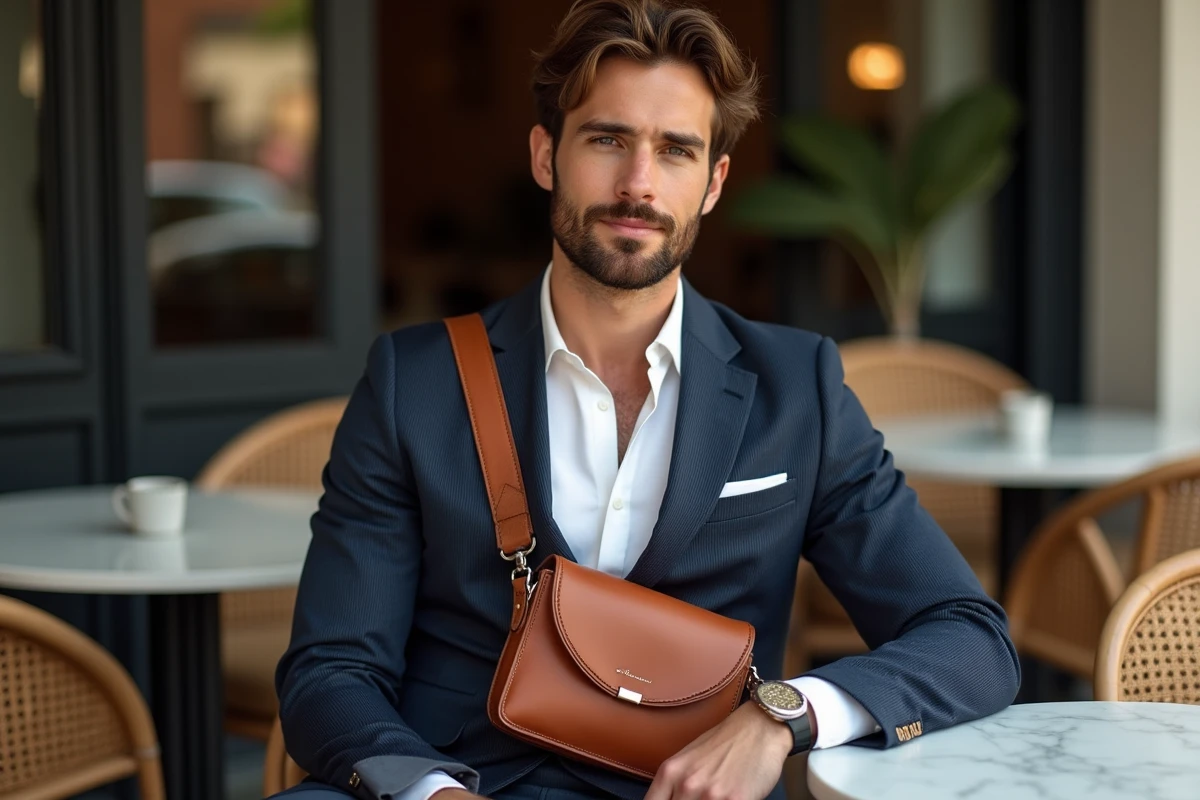
A bracelet, a pair of glasses, a type of bag worn consistently: the repetition of an accessory creates a recognizable visual identity. Accessory trends pass quickly, but a personally embraced choice over time distinguishes a constructed style from a dictated one.
- Choose an accessory that withstands daily repetition without visual wear (leather, metal, raw materials)
- Favor a piece that dialogues with several silhouettes from the existing wardrobe
- Avoid accessories too marked by a season (ultra-dated patterns, limited collaborations) that lose their distinctive power in a few months
AI-assisted styling: a tool for combination, not creation
Style recommendation applications using generative AI are multiplying. Services like Lookiero offer personalized selections based on a detailed questionnaire about style, morphology, and lifestyle.
Meanwhile, styling games like Covet Fashion serve as a trend laboratory. Usage data (most associated pieces, most combined colors, best-rated silhouettes) are studied by partner brands to guide their collections.
These tools provide real interest in identifying combinations of pieces one might not have thought of alone. However, they remain calibrated on averages of taste: suggestions converge towards what appeals to the majority.
- AI excels at proposing coherent associations from an existing wardrobe
- It poorly detects intentional stylistic breaks, those that precisely create originality
- The most relevant result combines algorithmic suggestion with a personally embraced choice on at least one piece
A combination tool does not replace a style intention. The algorithm proposes functional outfits, not singular looks. The element of originality remains in the decision to wear something the machine would not have suggested.
Building a personal style without following the trend calendar
Usage data from styling platforms show that the highest-rated wardrobes by fashion communities are not those that follow the most trends, but those that maintain a strong visual coherence from one season to the next.
The original look in 2026 is built less by purchasing new pieces than by mastering a few stable associations, occasionally enhanced by an unexpected element. Three to four pivot pieces are enough to cover the majority of daily dressing situations.
The most sustainable trend remains the one you don’t see on the runways: knowing what works for you and sticking to it, while remaining attentive to materials, cuts, and colors that can enrich an already established system.