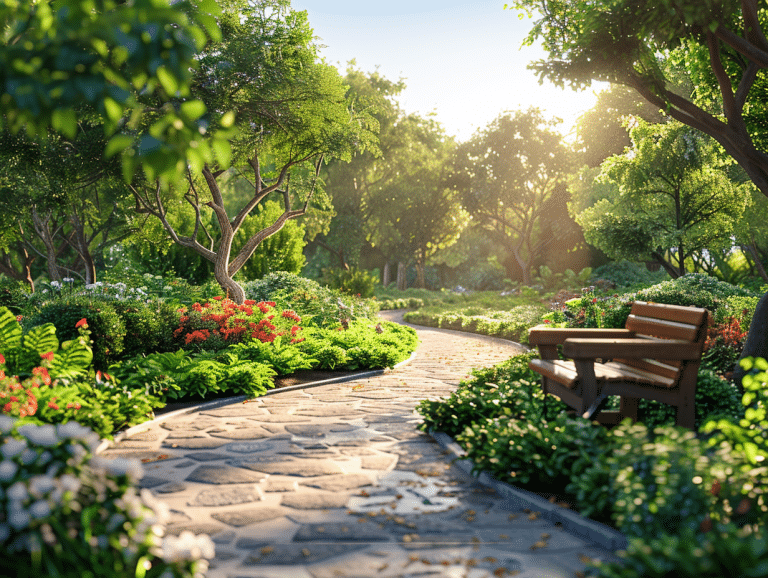
In the quest for a green haven of peace, creating a lush garden tops the list for many gardening enthusiasts. The establishment of such a space, synonymous with relaxation and connection to nature, requires a combination of proven techniques and botanical knowledge. Relevant choices of plants suited to the climate and soil, effective irrigation, adequate fertilization, and regular maintenance are all key factors. These practices, combined with thoughtful landscape design, transform an ordinary outdoor space into a lush and sustainable garden, conducive to biodiversity and serenity.
The fundamentals of a lush garden: plant selection and maintenance
Choosing the right plants is the first step in structuring the garden of your dreams. Plants should be selected based on their adaptability to the local climate and soil specifics. Consider endemic species that thrive naturally in your region. They will require less water and be more resistant to local diseases. Also, think about climbing plants to dress up walls and fences, adding verticality and depth to your space.
Regular maintenance is essential to preserve the vigor and aesthetics of the garden. Prune shrubs to stimulate their growth, weed to prevent competition from unwanted plants, and apply mulch to retain moisture and enrich the soil. A tip for a dense lawn: sow a lawn without turning the soil, a technique that promotes uniform germination while preserving soil structure.
Water management is fundamental: establish an efficient irrigation system, such as drip irrigation or automatic watering, to ensure a constant and controlled water supply. This will prevent waste and ensure optimal plant development.
Fertilization should not be overlooked. Use organic fertilizers to nourish the plants and improve soil structure. These nutrients are vital for the health and color of the vegetation. A soil analysis will help you determine deficiencies and adjust your inputs accordingly.
Design strategies: optimizing space and decor tips
Optimizing the space in your garden is both a creative and methodical exercise. The paths should be well-defined and logical, guiding visitors through the garden while structuring the space. They serve as the backbone of your layout, delineating dedicated areas such as the vegetable garden or the aquatic leisure zone represented by the pool.
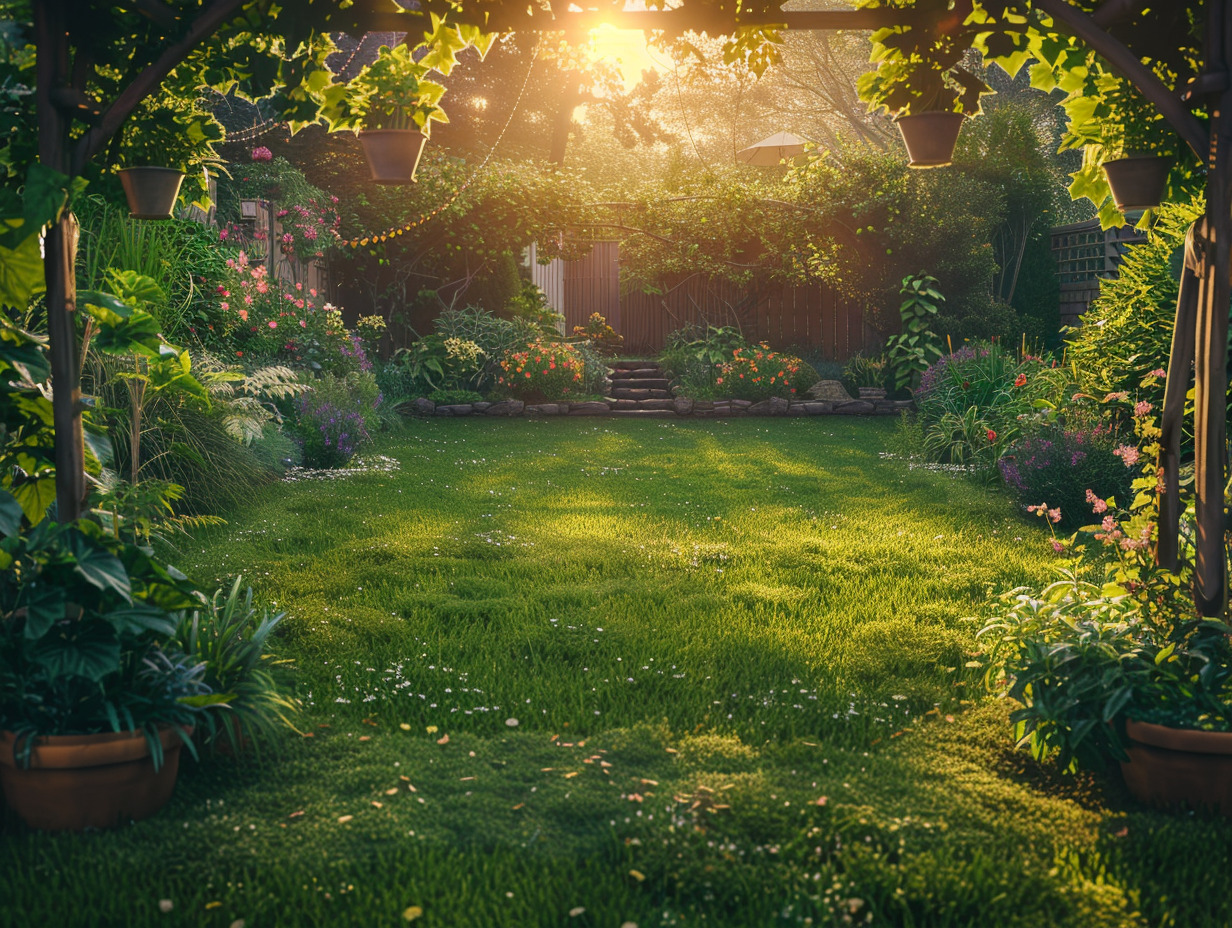
Carefully placing garden furniture is a task that combines comfort and aesthetics. Typically located on the terrace, which forms the link between the house and the garden, the furniture should invite relaxation while harmoniously integrating into the decor. Elements like colorful cushions, soft lighting, or trellises adorned with climbing plants can transform a simple terrace into a peaceful haven.
For less attractive areas, such as an unsightly structure, use nature as a green screen. Hiding what detracts from the view with dense shrubs or rows of hedges is an effective method to beautify and create a sense of continuity in the garden. The space should remain practical: a garden that is easy to maintain is a garden that offers more joy and less hassle on a daily basis. Smart design solutions, such as using perennial plants or implementing automated watering systems, can greatly contribute to this goal.