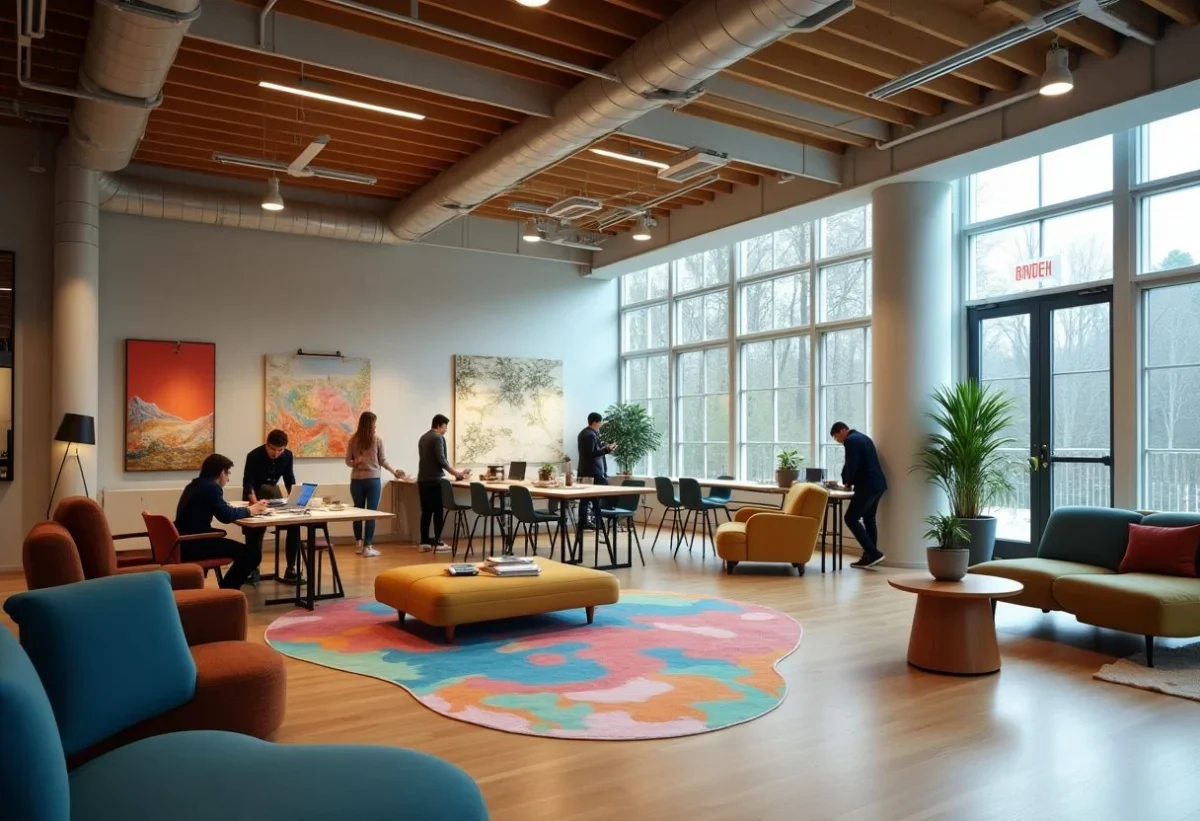
Interior architecture, a discipline where art meets science, transcends the simple idea of designing spaces. It is distinguished by its ability to merge aesthetics and functionality into a harmonious experience. Interior architects do not merely decorate; they reinvent living, working, and leisure spaces, taking into account modern requirements and emerging trends. With the rise of sustainability and technological innovations, this profession is in constant evolution. Being trained in this field offers a unique opportunity to combine creativity and technique while contributing to the improvement of people’s daily lives.
The foundations of interior architecture training
To become a successful interior architect, solid training is essential. This discipline requires a deep understanding of design principles, space management, and materials.
- Academic programs: University curricula generally offer a combination of theoretical courses and practical projects. Students learn to master computer-aided design (CAD) software while acquiring knowledge in art history and architecture.
- Technical skills: Skills in technical drawing and modeling are essential. They allow translating abstract concepts into detailed plans that will serve as the basis for project realization.
- Practical learning: Internships are often integrated into programs to allow future professionals to apply their knowledge in a real-world environment. This also provides them with the opportunity to develop a network of contacts in the industry.
Career opportunities in interior architecture training
Training in interior architecture opens the door to a multitude of exciting and diverse careers. Graduates can choose from several professional paths based on their personal interests and skills.
Interior architects may work in architecture firms, where they collaborate with other professionals to design exceptional spaces. Some choose to specialize in specific niches such as residential, commercial, or even event design. The growing demand for ecological and sustainable spaces has created new opportunities for those who wish to focus on sustainable design.
Furthermore, the rise of remote work has also led to an increased need for home office layouts, opening another growing sector for interior design professionals.
Training at an interior design school
Pursuing studies at an interior design school offers considerable advantages for those wishing to deepen their expertise in interior architecture. These institutions provide invaluable resources and personalized guidance that are essential for developing a distinctive style.
- Personalized guidance: Students benefit from special attention from experienced professors, allowing them to refine their techniques and hone their personal aesthetics.
- Cutting-edge resources: These schools are often equipped with modern laboratories and well-stocked libraries, providing access to the latest technologies and publications in the field.
- Creative community: Joining a design school allows immersion in a community of creators sharing similar ideas, thus fostering collaboration and idea exchange.
Emerging trends in interior architecture
To remain competitive and relevant, interior architects must stay in tune with industry trends and innovations. These evolutions greatly influence how spaces are designed and used.
Sustainability is at the forefront of concerns in the field of interior design. Architects strive to create spaces that are not only aesthetic but also environmentally friendly. This includes the use of recycled materials, the integration of renewable energy solutions, and the promotion of eco-responsible design practices.
At the same time, smart home technology is radically transforming space design. Architects are now integrating smart systems that optimize energy efficiency and enhance occupant comfort. Finally, the flexibility of spaces is becoming a priority, allowing for easy adaptation to the changing needs of users.