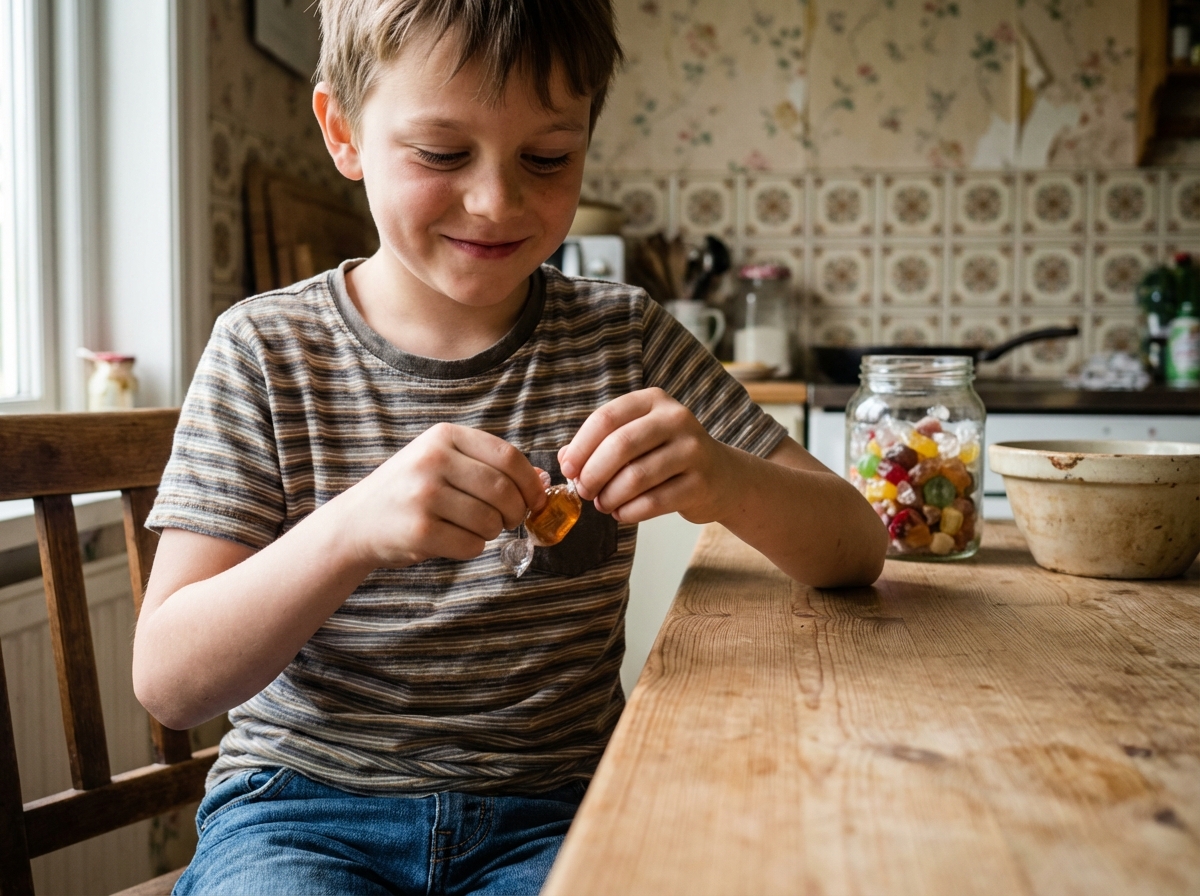
56% of adults can still describe the exact taste of their favorite childhood candy, even though they have forgotten the name of their first teacher. The human brain gives a special place to these flavors that accompany us from a young age, etching their imprint with a strength that few other sensory memories can match. Research in neuroscience is clear: taste memory engages both the circuits of emotions and learning, which explains the vividness and longevity of these reminiscences.
Ancient recipes, carefully passed down through generations, traverse decades without flinching in the face of dietary trends. Their influence does not stop at childhood: they shape our preferences and the way we approach food in adulthood. This phenomenon fascinates both neuroscience experts and lovers of culinary heritage, all driven by the desire to keep alive a legacy that is as subtle as it is irreplaceable.
Why childhood candies leave a lasting mark on our taste memory
The tangy scent of a jelly, the texture of a sour gummy worm, or the sweetness of a fruit paste: sometimes it only takes a conversation or a celebration for everything to come rushing back. These candies are not just simple treats. They are an integral part of our sensory memory, woven into the very fabric of our history, crossing generations and regions to weave a secret link between taste, childhood, and family transmission.
Taste memory never works alone. It relies on touch, sight, and smell. When the scent of a strawberry or caramel mingles with the laughter of children around an afternoon snack, the brain assembles childhood taste memories with remarkable robustness. The latest advances in neuroscience show that these moments activate memory, emotion, and pleasure, anchoring certain tastes indelibly.
Here’s what these experiences reveal, concretely:
- Strengthened family bonds: the shared package between siblings, the recipe passed down one Sunday by grandma.
- Living culinary traditions: each region of France proudly showcases its specialties, its favorite candies.
- An affirmed identity: savoring an old candy is reconnecting with a part of oneself.
A gummy worm, for example, can be enough to bring back both tender and mischievous memories. This is no coincidence: these simple yet powerful flavors play a role in psychological balance, providing reassurance and offering reference points. Their strength? To transcend eras, remaining vivid in our memories, both collective and individual. For those intrigued by the subject, the article “The Candies of Your Childhood: Why Do They Remind Us of So Many Memories? – Les Recettes Légères de Chrissy” offers additional insight into this evocative power.
Which candies and sweets have rocked our memories: savory stories and anecdotes
As soon as the subject of childhood candies is mentioned, memories flood in, often at the table, like a warm wave. The boxes of chocolates given at Christmas, the homemade cake from a birthday, the tangy bar stealthily slipped into the pocket on the way back from school: each of these details weighs in the construction of our identity and shapes our history.
In France, confectionery is not just a pleasure. It is a tradition that unfolds infinitely, region by region, village by village. Alsace stands out with its gingerbread, Provence delights with its fruit pastes, the North offers creamy caramels, and the South adorns stalls with calissons. These specialties pass from hand to hand, from era to era, slipping into the heart of celebratory moments and nourishing our collective memory.
Here are some real scenes illustrating this transmission:
- On Sundays, a grandmother pulls out her timeless rolled cake, the result of a traditional recipe jealously preserved.
- A father reminisces about the wrapped candies exchanged during long winter evenings, a promise of shared moments.
- The children, meanwhile, scrutinize the candy box, eager to discover which sweet will mark their snack.
The preparation of traditional recipes then takes on the air of a ritual: selecting ingredients, repeated gestures, oral transmission. These treats, whether homemade or shared, tell not only the flavor of family ties but also the rooting of a living culinary heritage. Evoking their taste is sometimes to rediscover the effervescence of a lively kitchen, the shared laughter, the intimacy of a moment preserved from time.
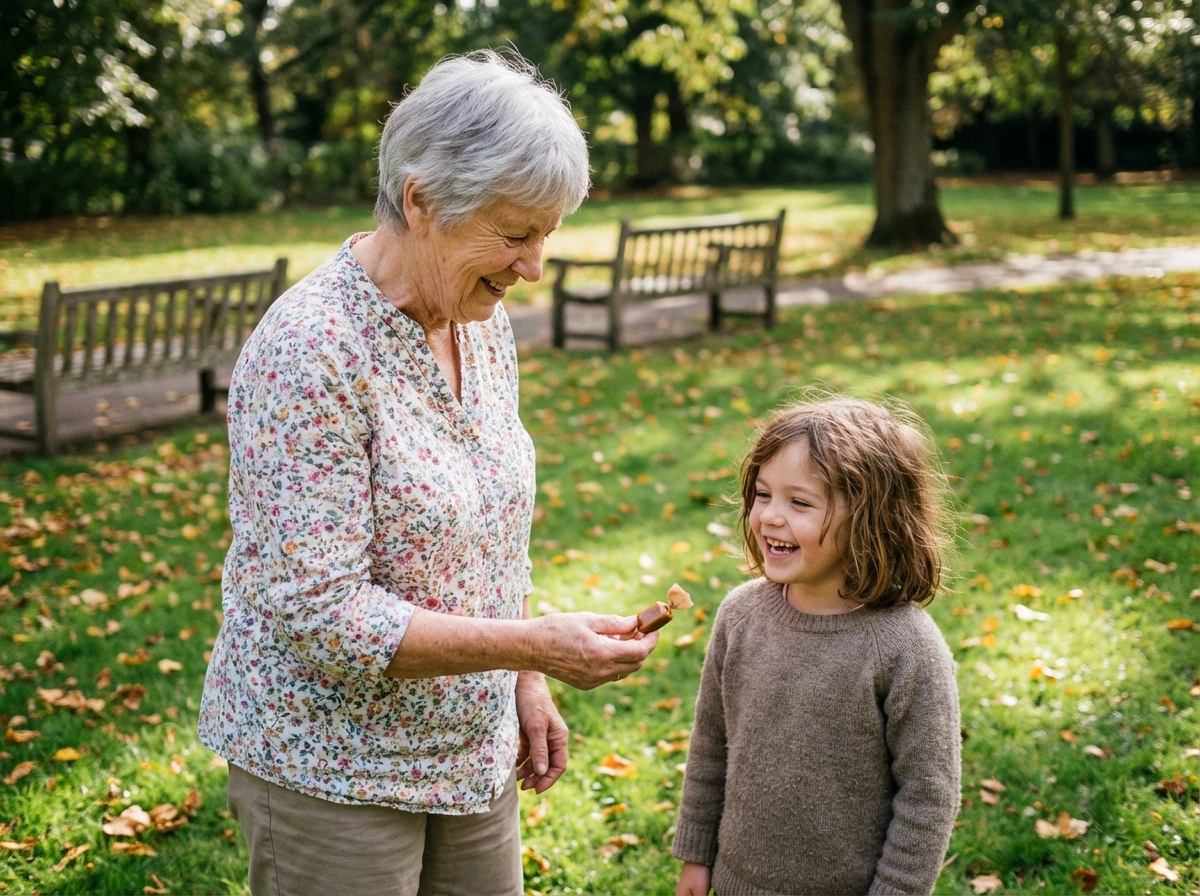
Rediscovering traditional recipes to revive the magic of past flavors
Getting back to baking is reconnecting with the invisible thread that links childhood to adulthood. Family cooking not only transmits a technique: it carries with it that extra soul, that scent of yesteryear that awakens sensory memory. From the capital to the countryside, France cultivates the art of making sweets, often as a family, sometimes in the solitude of an inspired morning. Sharing a dessert opens a space conducive to exchange, reviving learned gestures and whispering secrets over still-warm dough.
In this dynamic, certain moments take on their full flavor:
- The gesture of dusting powdered sugar on grandma’s cake.
- The crackling of heated almonds, signaling the success of a preparation.
- The final touch, discreet yet decisive, that transforms a recipe into a family signature.
No recipe is set in stone. It evolves, adapts to the seasons, bends to desires. The child observes, kneads, tastes, learns to recognize nuances, to embrace the rhythm. These moments bond generations, anchor culinary traditions in daily life, and make the present a land nourished by heritage.
The pleasure of preparing these sweets resonates like an invitation to revive the dishes of childhood, to keep this culinary legacy alive, not out of nostalgia, but to remind us how much cooking can bring people together. Taste memories, in turn, never truly fade: it only takes a scent, a gesture, for the magic to come back to life, intact, where it all began.