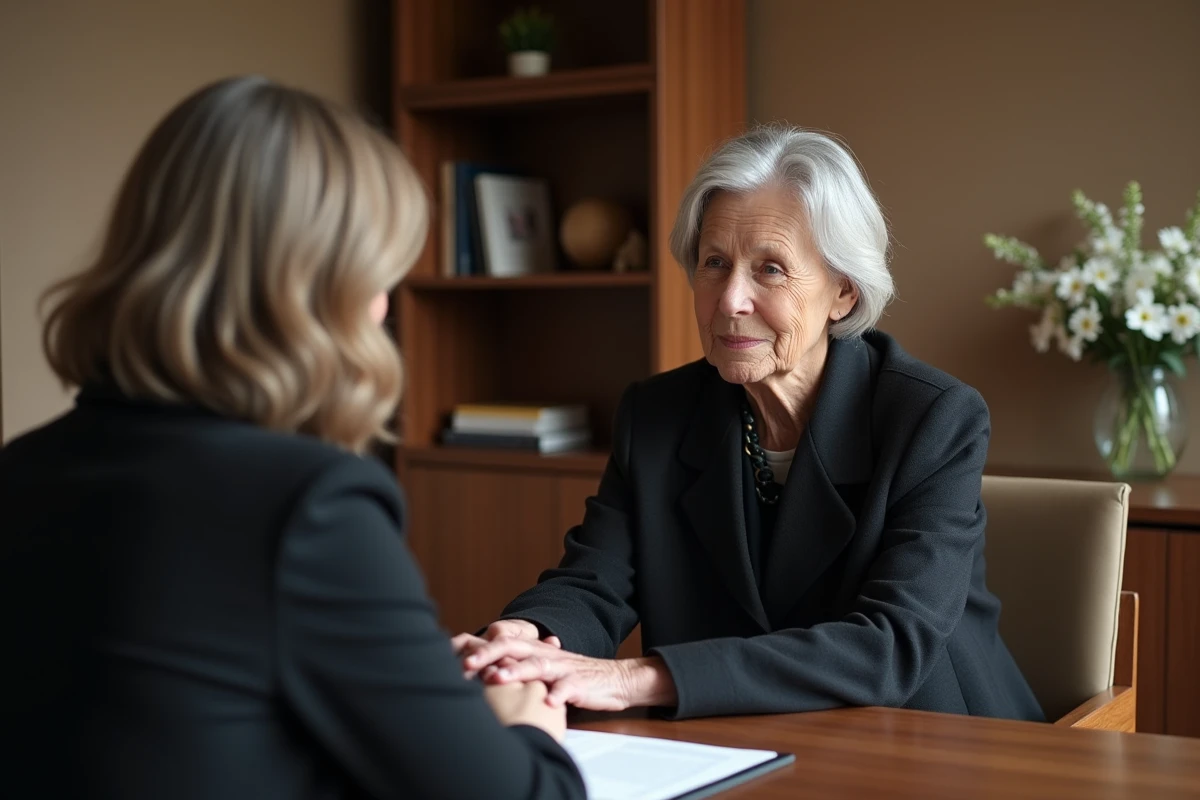
Loss is overwhelming, with no predictable timeline or clear guidelines. In the face of death, intimate pain intertwines with the stack of tasks and actions to be taken. Many are unaware, but the support of a funeral professional brings a more human, more structured dimension to this disorienting moment.
Some specialized organizations offer little-known resources, providing tailored support throughout the grieving process. These teams go beyond organizing funerals: their support includes listening, practical advice, and psychological assistance, well beyond the ceremony.
Understanding Grief: Raw Emotions, Unique Paths
It’s impossible to prepare for it; grief invades, shakes up, dismantles routine. A state of shock sets in unexpectedly, erasing all reference points. Then come the waves: sadness, anger, fleeting calm, followed by the gripping guilt. These emotions often emerge in a jumble, and recognizing this turmoil is the first step toward rebuilding. Psychologists emphasize: there is no right rhythm or standard progression.
It’s impossible to apply a fixed framework to the grieving process. The famous stages—shock, denial, anger, bargaining, sadness, acceptance—do not line up in a column. At any moment, the bereaved person oscillates between withdrawal and the need for connection. Professional support, without judgment or impatience, welcomes these complex movements.
To better grasp the reality of this feeling, here are three reactions commonly encountered during grief:
- An initial shock: stunned, a sense of unreality, total loss of reference points.
- A deep sadness, sometimes mixed with a feeling of injustice or a fatigue that hinders everything.
- Anger, which may be directed at others or oneself, is part of the natural journey.
The site francoeur.org gathers valuable resources to face these emotional roller coasters and find support when isolation weighs heavily. Reading these explanations is about putting words to one’s feelings, moving forward with more certainty.
Professional Funeral Support: A Difference That Matters
Loss imposes much more than an emptiness: it compels action, phone calls, choices, even as everything trembles. Here, funeral support provides direction. Listening, real presence—often discreet—instills an essential climate of trust.
The funeral profession touches on the intimate, beyond mere organizational management. Orchestrating tributes, supporting the family, respecting every detail of wishes: every gesture counts. Investing in a funeral pre-planning contract or a funeral insurance becomes an act of relief for loved ones, who can rely on this anticipation.
Supporting means also providing the appropriate presence during farewells, knowing how to reassure, explaining the steps, and assisting with the administration that follows the death. It is through these concrete attentions that the family regains some control over the chaos.
In very concrete terms, the help from funeral professionals takes several forms:
- Support in choosing the form of the funeral: private ceremonies, civil or religious rituals, personalization according to the wishes of the deceased or the family.
- Logistical organization of the ceremony, faithfully respecting the expressed wishes.
- Handling most administrative formalities, with guidance towards structures that can facilitate the process.
This support network does not erase the pain, but it carries, reassures, and guides on the fragile thread of grief. Funeral support thus becomes the anchor point that allows one to find breath in the turmoil, to access step by step a peaceful grief.
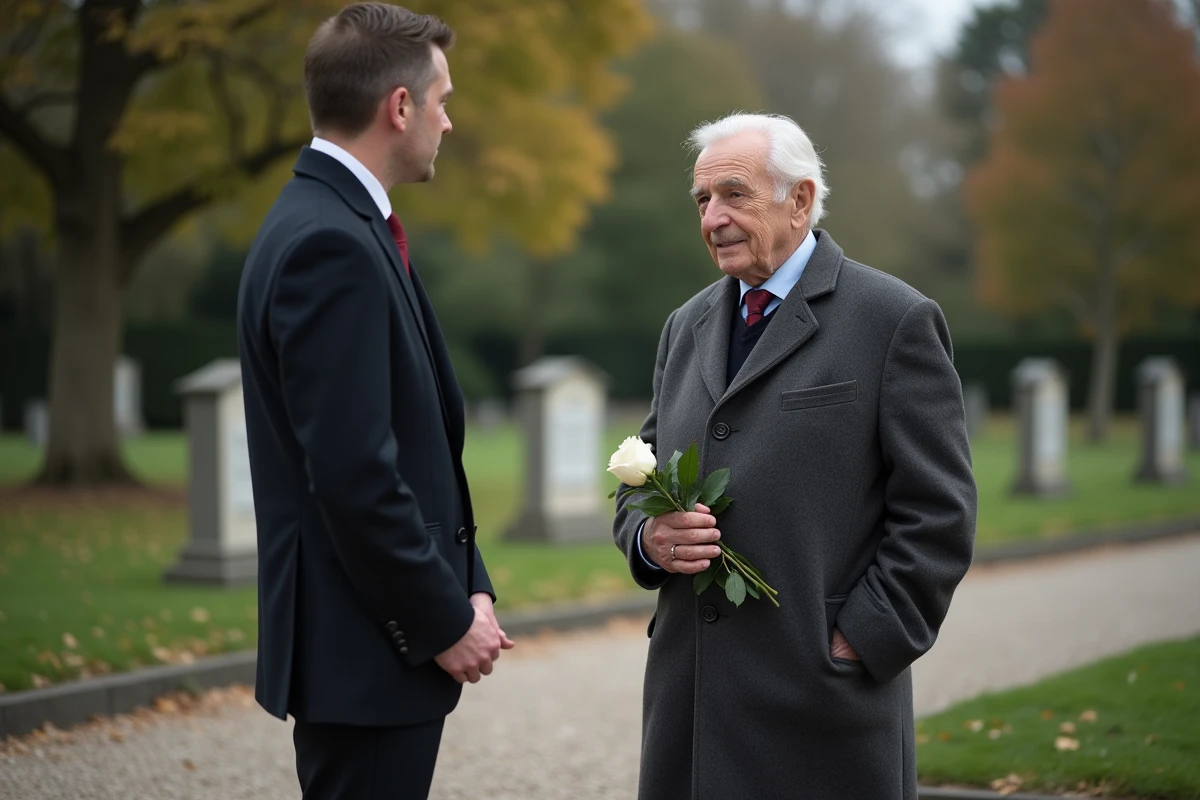
Advice and Resources for Progressing and Supporting
Going through a grief also means admitting that at certain moments, one needs external support. Listening groups, associations, workshops, anonymous phone help: each resource contributes to this unique journey. These spaces offer a place to unload what weighs heavily and to break free from isolation. Everyone can find understanding there, without any judgment.
A concrete example: the Red Cross offers phone support for situations where voicing feelings out loud is a challenge. Volunteers have undergone extensive training in grief listening; they guide, advise, or simply listen if that is what is needed at the moment.
If one wishes to take action, several support avenues allow for a more serene progression:
- Looking into the Léonetti Law, which details rights at the end of life and clarifies upcoming steps.
- Consulting books on grief, particularly personal accounts or works by professionals, to put the different stages of grief into perspective.
- Joining a support group, where listening and sharing emotions occur among people who have experienced similar losses.
These resources, numerous and accessible, encourage not to bear this burden alone. They remind us that community, exchange, and conversation are all possible levers for rebuilding. A disrupted daily life is not doomed to remain frozen: it sometimes gives rise to a new, unexpected energy that only the journey through grief reveals.